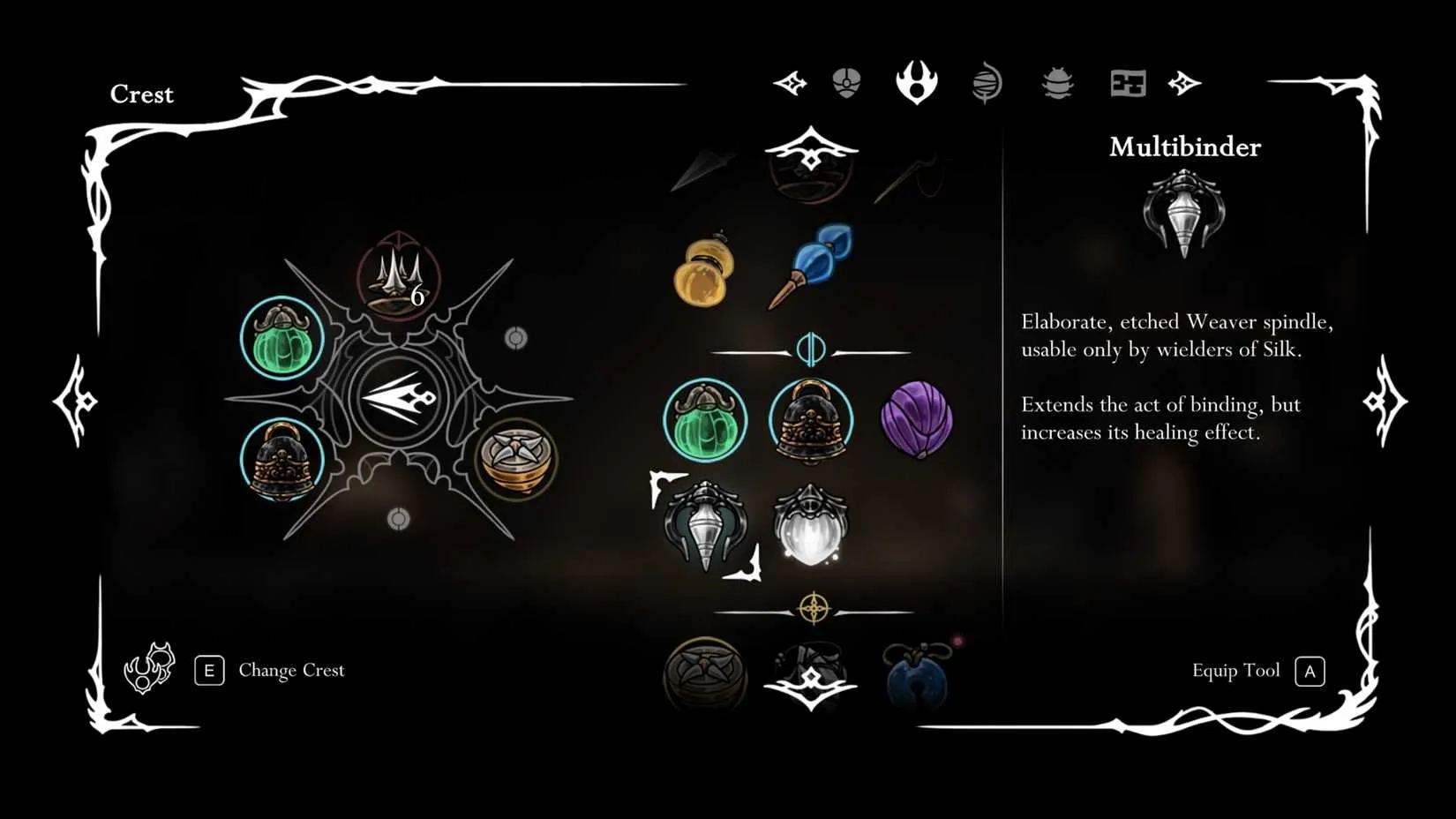
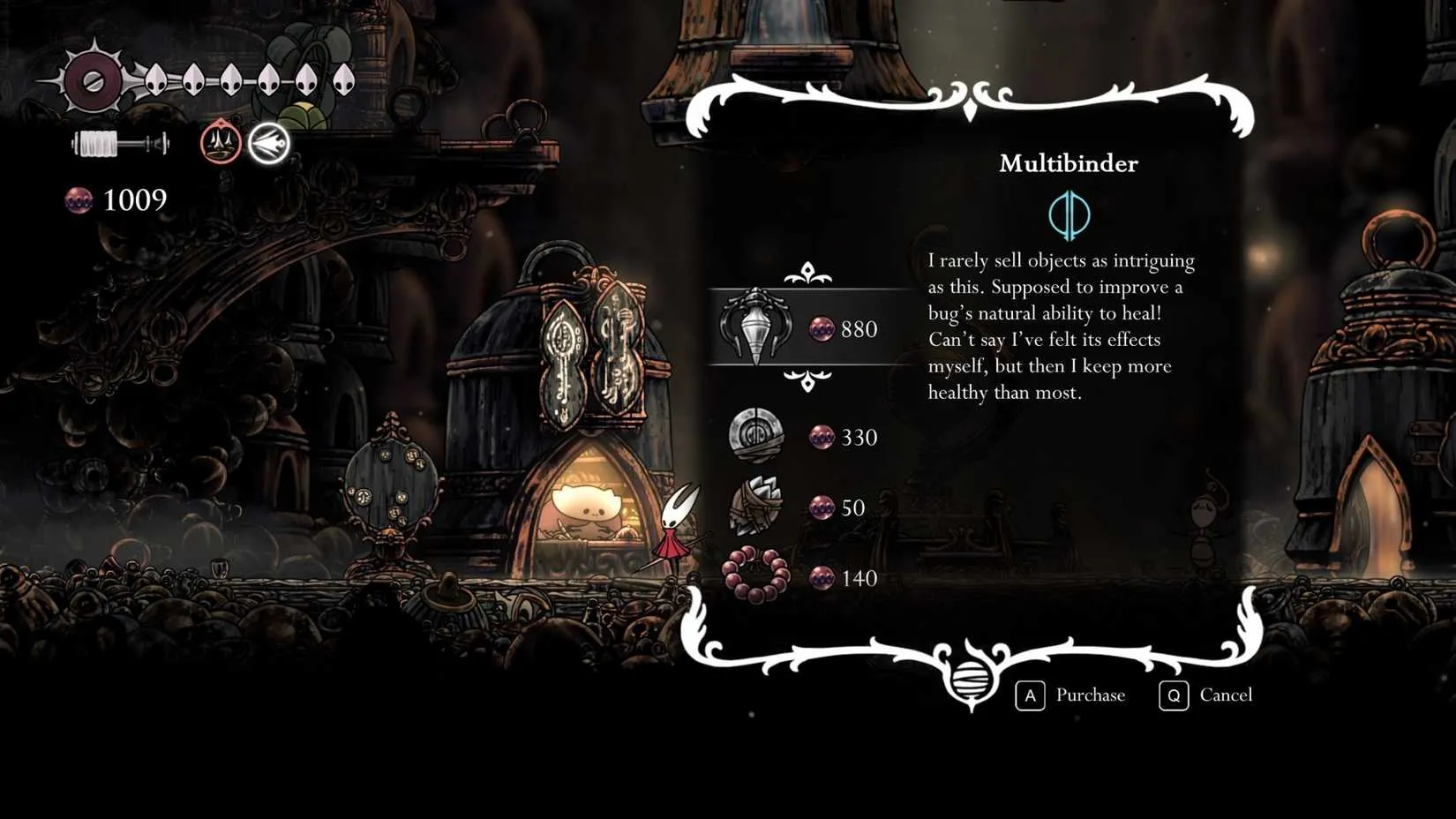
I've been grinding through Pharloom since Hollow Knight: Silksong launched, and I still see folks in chat asking the same question: is the Multibinder worth 880 Rosaries? After testing it in multiple boss fights and defensive builds, I can say it's not a no-brainer. It's a blue Tool sold by the vendor in Bellhart, and its description is vague enough to make you scratch your head. So let me break down exactly what it does, when it shines, and whether you should bite the bullet in 2026.
What the Multibinder Actually Does ⚔️
When equipped,  Multibinder replaces Hornet's default 3-mask heal with a 4-mask heal for the same amount of Silk. That sounds like a straight upgrade, right? Not so fast. It nearly doubles the time it takes for the healing animation to finish. Worse, it locks Hornet in place for the entire duration, and you cannot cancel the animation midway. If you're used to quick panic heals, this thing will feel like trying to park a bus in a tight alley.
The heal isn't delivered all at once. Multibinder heals 2 masks twice in quick succession, one after the other. So you get a first chunk, then a second chunk. That two-part structure is the key to understanding its value.
| Feature |
Default Bind |
Multibinder |
| Masks healed |
3 |
4 |
| Silk cost |
Same |
Same |
| Animation length |
Baseline |
Nearly double |
| Can cancel? |
No |
No |
| Heal split |
Single 3-mask heal |
Two 2-mask heals |
| Interruption result |
0 or 3 masks |
0, 2, or 4 masks |
The Hidden Advantage: 0, 2, or 4
Here's where Multibinder earns its keep. Because the heals are separated into two parts, if you get interrupted during the second 2-mask heal, the first 2-mask heal still counts. That means you end up with either 0 heals, 2 heals, or 4 heals. Compare that to Hornet's default healing: if you're interrupted during the Bind animation, the whole thing is nullified. You get either 0 or 3 heals. No in-between.
In a tough boss fight, that in-between can be the difference between life and death. I've had moments against aggressive bosses where I knew I couldn't finish a full default heal, but Multibinder's first 2-mask chunk landed before a hit connected. It's not pretty, but it's a safety net. For defensive players, this is the whole ballgame. I also noticed that the first 2-mask heal comes out faster than the default 3-mask heal, which means you can sometimes sneak in a partial heal when the boss gives you just a sliver of breathing room. Your mileage may vary, but that alone has saved my bacon more than once.
Best Pairing: Warding Bell ️
Multibinder is situational, and it shows its value best when you pair it with the right Tools. The Warding Bell is an early-game Tool that is very easy to get, and it pairs extremely well with Multibinder. 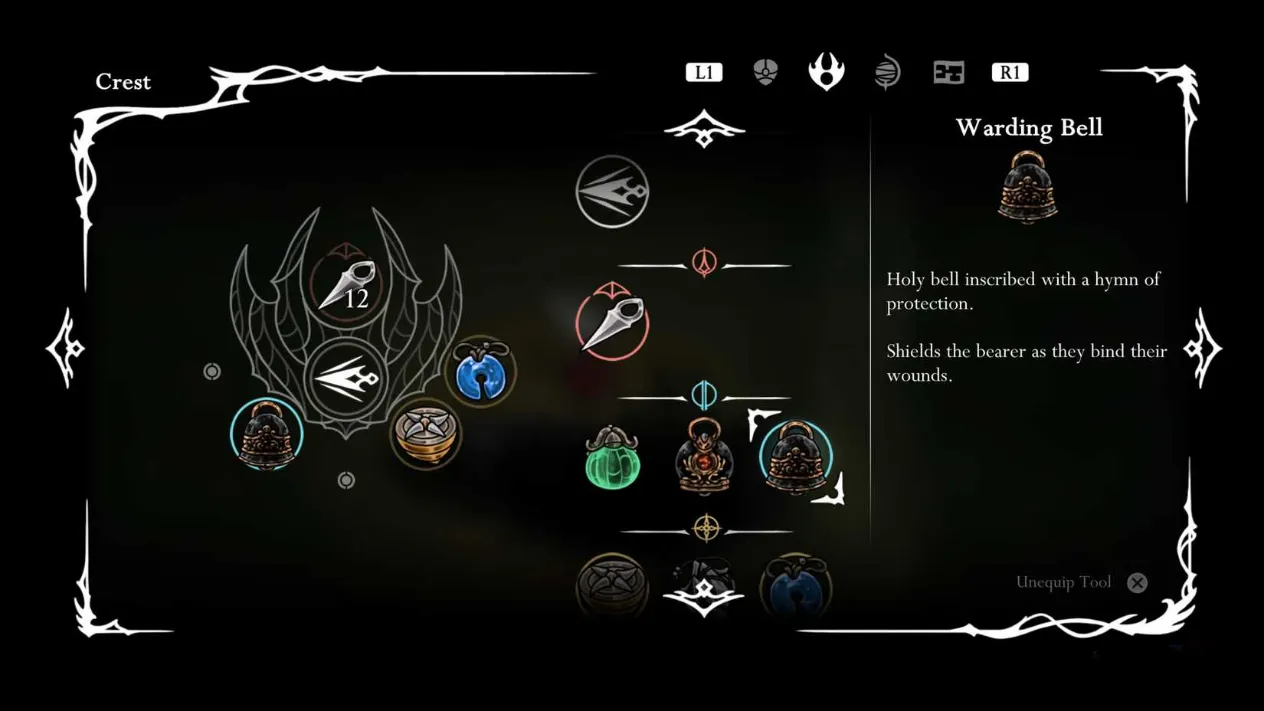
 Warding Bell protects Hornet from taking damage while healing, but it does not stop the healing from being interrupted. That sounds like a mismatch, but it's actually a match made in heaven. As mentioned, Multibinder heals in two parts. If you're interrupted during the second part, Warding Bell protects you from damage while still letting the first 2-mask heal register. And because Multibinder's initial 2-mask heal is faster than the default 3-mask heal, you get a real chance to restore health in situations where you otherwise would've been interrupted.
In plain English: Warding Bell buys you the time to get the first chunk, and Multibinder makes that first chunk count. It's a solid one-two punch for players who like to play defensively. If you're the kind of player who blocks first and asks questions later, this combo is right up your alley.
The 880-Rosary Question
Now for the elephant in the room: the price. Multibinder costs 880 Rosaries from the Bellhart vendor. 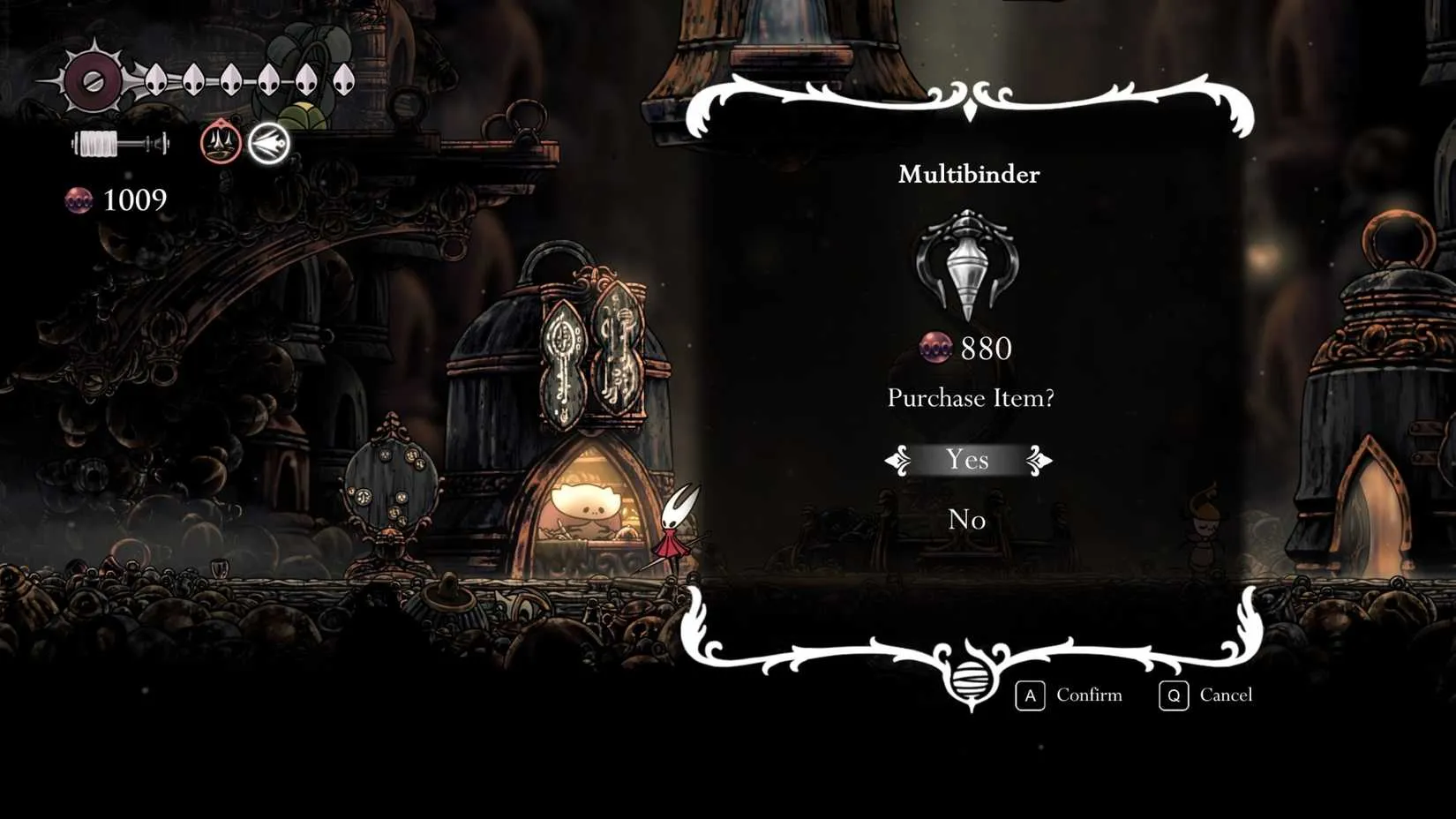
Farming 800+ Rosaries in the early game is possible, but it requires a significant time investment. If you're not immediately planning to use Multibinder in your build, it's hard to justify spending that much. I've seen players blow their entire savings on it and then realize they prefer a more aggressive playstyle. That's a kick in the teeth. You don't want to drop nearly a thousand Rosaries on a Tool that sits in your inventory collecting dust.
Since better farming locations open up as you progress through Silksong, it makes sense to wait until at least Act 2 to purchase the Multibinder. The Bellhart vendor will keep all of their stock up for sale throughout a playthrough, so there's no rush. You won't miss out by waiting. In 2026, with more guides and community testing available, the consensus is still that this is a situational pickup, not a must-buy. Take that with a grain of salt if you're a diehard defensive player, but for most folks, patience pays off.
Should You Buy the Multibinder?
If you're a defensive player who loves outlasting bosses and you already have Warding Bell, then yes, Multibinder can be worth the 880 Rosaries. It gives you a 4-mask heal, a safer interruption outcome, and a strong synergy with Warding Bell. For certain boss encounters, that extra cushion is no joke. It can turn a chaotic fight into a war of attrition that you actually win.
But if you're a rushdown player who rarely blocks and prefers dodging to healing, skip it. The longer animation will get you killed more often than it saves you. And if you're early in the game and strapped for Rosaries, wait until Act 2. There's no shame in putting it on the back burner.
Final verdict: Multibinder is a niche Tool with a high price tag. It's not a trap, but it's not a golden ticket either. For the right build, it's a lifesaver. For everyone else, it's a shiny blue Tool that can sit in the vendor's inventory until you're ready. And in Silksong, being patient is often the best upgrade of all.
The same patience that pays off when saving Rosaries for Multibinder applies to real-world gaming purchases, too. Whether you're waiting for a sale on Silksong itself or hunting for a deal on a new controller, timing is everything.
That's where this price tracking tool comes in. DealNest monitors prices across popular retailers so you can see when that game or accessory you've been eyeing finally drops to a price you're happy with. No more guessing whether a discount is worth it—just set your target and let it do the watching.
