I know it is 2026 and I am late to the Silksong party, but I finally understand why every conversation about this game sounds like a support group with a side of insect trauma. I expected a challenge. I did not expect Hunter's March to treat my confidence like a vending machine treats a crumpled dollar bill: it accepts it, makes a concerning noise, and returns something that wants to bite me.

For the first hour or two, Hollow Knight: Silksong is a surprisingly polite host. Bone Bottom, Mosshome, and The Marrow introduce enemies that hit hard but are easy enough to read, and the interconnected paths quietly teach you to look for secrets and shortcuts without dumping a sprawling map on your lap. The early bosses, like Moss Mother and Bell Beast, feel tough but fair. I was nodding along, thinking I had this Metroidvania thing figured out. That was adorable of me.
Then I took the obvious, enticing branch between The Marrow and Deep Docks and walked into Hunter's March. This area is the Metroidvania equivalent of a restaurant that seats you, hands you a menu, and then sets the table on fire. It is optional, it is early, and it is absolutely not interested in my feelings.
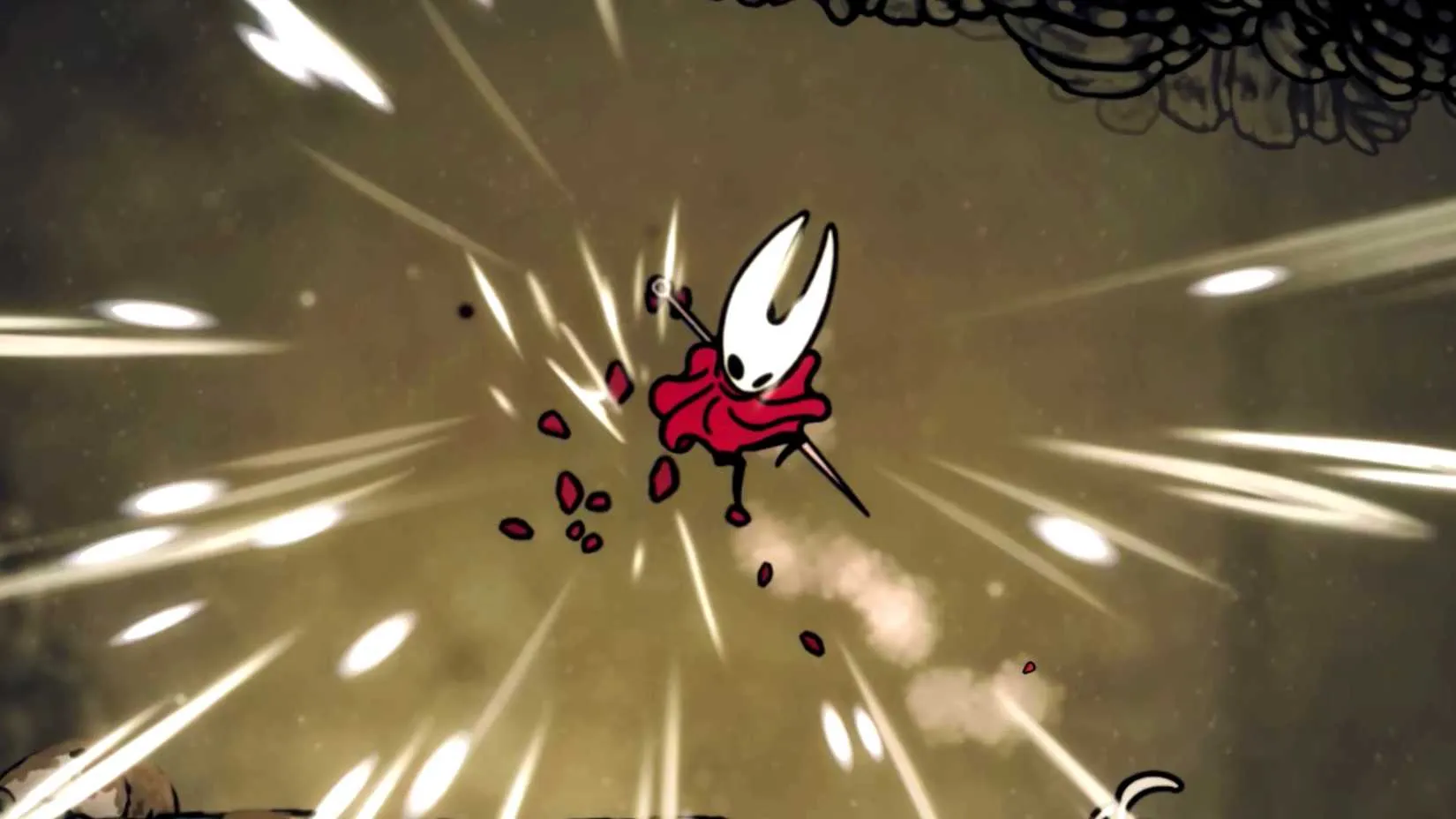
The Skull Ant guardian is the first big warning sign. He is not even a full boss fight, but his one-two punch can delete four chunks of health in a single go, and his burrowing habit makes retaliation feel like trying to argue with a doorbell. Ant soldiers are faster and meaner than anything before them, flying bugs hide around every corner to knock me off course, and the red flowers demand pinpoint accuracy from an air attack that feels like it was tuned by a mischievous gremlin. The Skull Ant fight felt like trying to fold a fitted sheet while someone throws bees at me. Not impossible, but deeply personal.
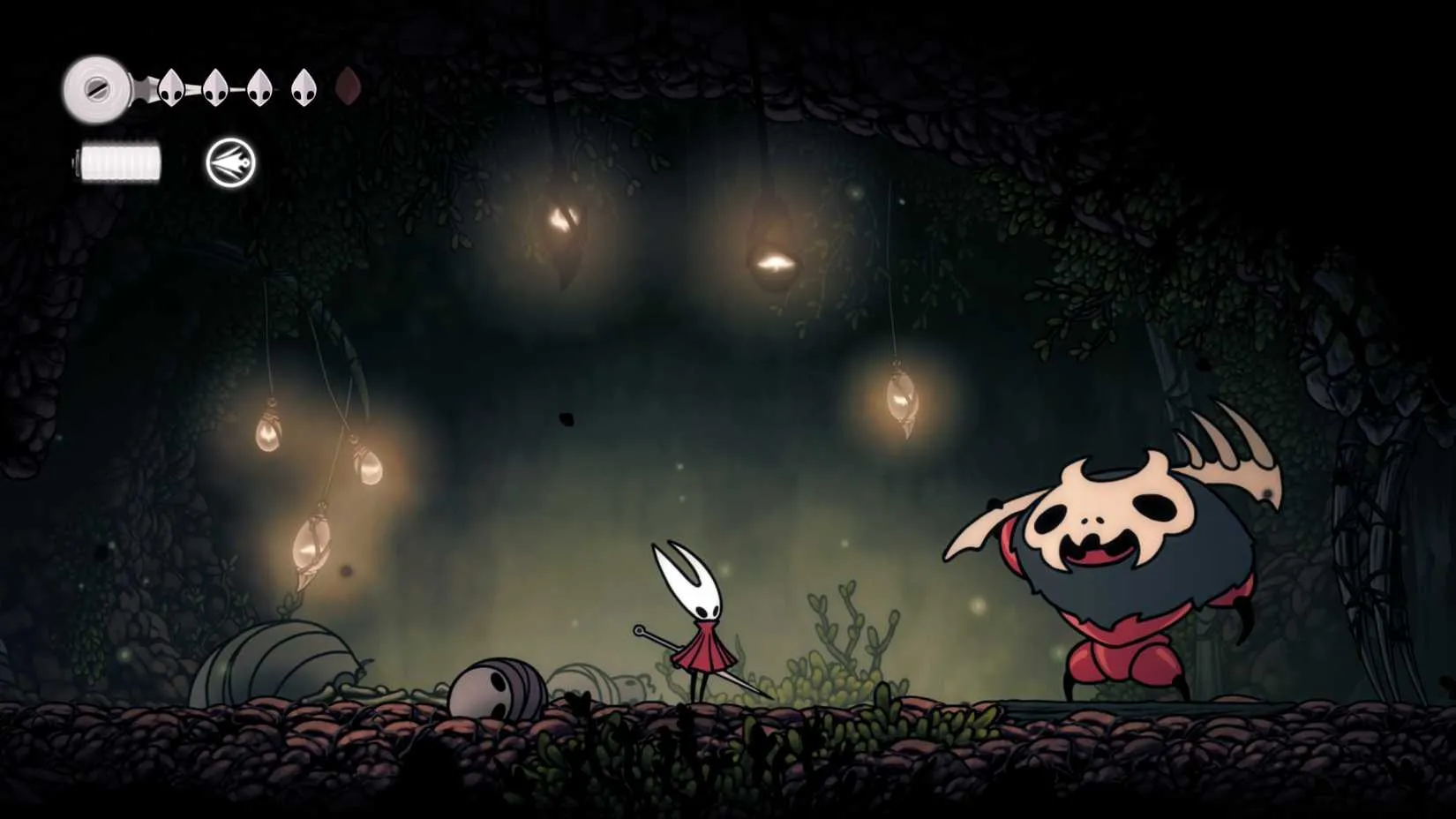
Here is the part where Hunter's March actually taught me something valuable, even while it was busy using my health bar as a chew toy. The Skull Ant keeps closing distance, swinging a big bone club, and stepping back to safety. If I cannot avoid an attack or sneak in a hit, that is usually not a sign that the game is unfair. It is a sign that I am missing something. In this case, the missing something is Swift Step from Deep Docks. Grab that dash first, and the fight stops feeling like a brick wall and starts feeling like a puzzle with a very rude centerpiece.
That is a classic Metroidvania lesson, and Hunter's March teaches it with a bone club. Optional areas are not always invitations. Sometimes they are pop quizzes. Leaving Hunter's March, continuing through Deep Docks and Greymoor, and returning later with more upgrades and a better understanding of Hornet's moveset made the area feel less like a punishment and more like a rematch I had actually prepared for. Coming back later felt like finding the instruction manual taped under the coffee table the whole time. Slightly embarrassing, extremely useful.
| What Hunter's March Taught Me |
How It Felt |
| Optional does not mean ready |
Like a door labeled 'fun' that kicks back |
| If a fight feels impossible, check for a missing ability |
Like realizing the boss is using the tutorial trick I skipped |
| Leaving and returning is valid |
Like showing up to a rematch with actual muscles |
I still think Hunter's March is a sharp difficulty spike, especially for newcomers. But it is also a wonderfully nasty teacher. It made me respect optional paths, recheck my abilities, and stop treating every enticing branch like a personal dare. In 2026, with plenty of Metroidvanias competing for my time, that lesson has stuck with me. Silksong did not just make me better at its own game. It made me a slightly less reckless player in every game with a suspiciously inviting side path.
Beyond Silksong, that same patience is handy whenever a new Metroidvania or indie gem catches your eye. Waiting for the right moment—and the right price—can turn a tempting launch-day purchase into a much smarter addition to your backlog, especially when there are so many great games competing for attention.
That is where DealNest game deals comes in. It is a straightforward way to keep an eye on discounts and avoid diving into every promising release at full price, so you can spend less time second-guessing your wallet and more time enjoying the games you actually want to play.
